
Article: Why Two 39 mm Watches Can Wear Completely Differently
Why Two 39 mm Watches Can Wear Completely Differently
Based on proportion studies from June 2026; expanded October 6, 2026.
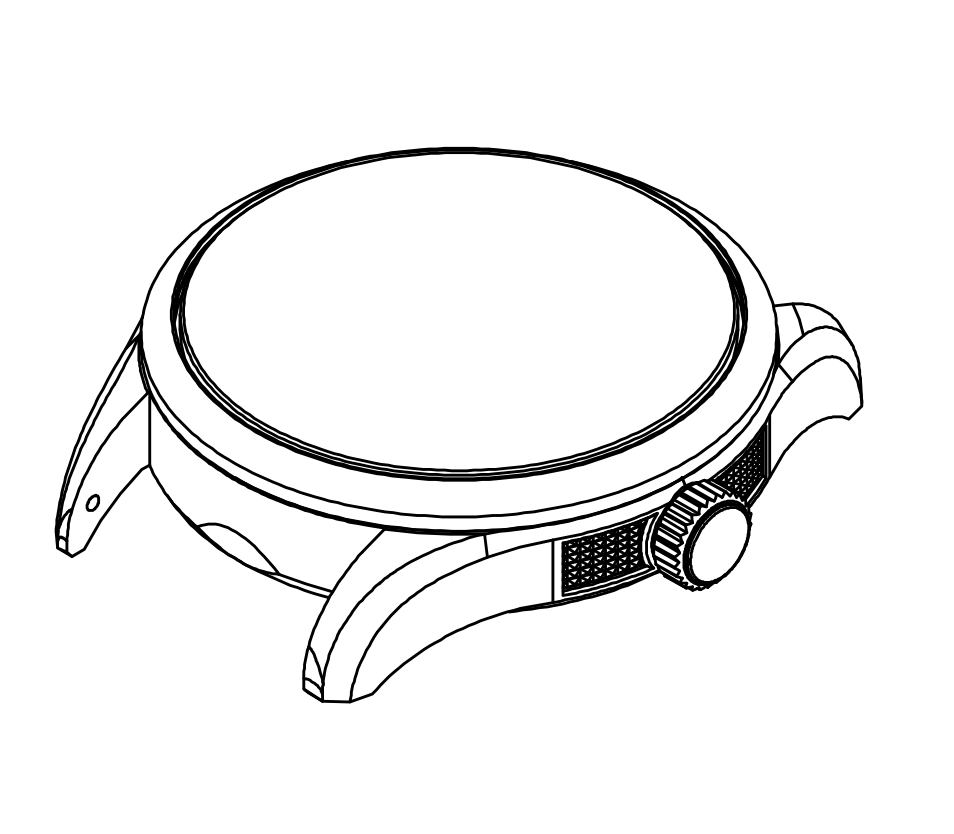
Cover image: Outrigger case development drawing showing the lugs, case profile and crown.
“It is 39 mm” is useful information when shopping for a watch. It tells you very little about the underside of the case, where the bracelet starts to bend, or how the watch behaves when you put your hand on a desk.
I like compact proportions, but choosing a diameter is only the beginning of designing them. Two watches with the same stated width can occupy the wrist very differently. To understand why, it helps to look at the whole shape and the points where it meets the body.
Diameter measures one direction
A round case's diameter describes its width, generally excluding the crown. Lug-to-lug length describes the span from the outer tip of the lugs at one end to the outer tip at the other. Lug width is something else again: the space that determines the width of the strap or bracelet attachment.
NOMOS explains the distinction in its own fitting guidance, including why the shape and position of the lugs matter alongside the measurement.
Imagine two hypothetical 39 mm watches. One measures 45 mm from lug tip to lug tip; the other measures 49 mm. That four-millimeter difference extends in the direction where the watch needs to settle across the top of your wrist.
Find the first point that can bend
A case specification may stop at the lugs while a rigid bracelet end link projects beyond them. If the bracelet cannot turn downward until farther out, the effective rigid span can be longer than the case's lug-to-lug figure suggests.
Look at the complete watch from the side. Support it securely and observe the first movable link. Does it fall away close to the case, or does it begin beyond a projecting section? A strap can also influence this transition if its attachment area is thick or stiff.
This is why I would ask for a side view before making a strong prediction from dimensions alone. It shows something a straight-on dial photograph tends to conceal.

The underside is part of the design
Lugs that turn downward can bring their ends closer to the wrist than long, flat lugs. How well that works depends on the wrist beneath them. A caseback that stands proud of the surrounding case can also change the watch's position and the contact area supporting it.
There is no need to reduce this to a single ideal shape. People with the same wrist circumference can have different wrist profiles. A tape measure records the distance around the wrist, not how broad or rounded its upper surface is.
During a fitting, look for uncomfortable pressure, obvious overhang and a watch that rocks or tips during normal movement. A large-looking watch may still be comfortable. A visually compact one can still have a contact point that bothers you.
Thickness needs a side view too
Check whether the stated thickness includes the crystal. Then look at where that height is distributed. A tall crystal, a deep case middle and a projecting caseback produce different profiles, even if the total measurement is identical.
A narrow-looking case flank can make a watch appear slimmer, but visual slimness does not guarantee that it will clear your cuff. Bring the kind of sleeve you actually wear and try it. Bend your wrist naturally and check the crown's position relative to your hand.
The goal is to learn where the watch occupies space, rather than treating every extra millimeter as equally important.
Visual size and physical fit are separate questions
A broad dial opening can give a watch more visual presence. A wide bezel changes the proportion of dial to case, and a prominent chapter ring adds another boundary for the eye to read. Color, contrast and marker layout can also influence your impression.
None of those choices changes the published case diameter. They help explain why one 39 mm watch can look larger at a glance while another with the same width seems quieter.
Use a mirror or an arm-length view as well as a close wrist photograph. A photograph taken very close to the watch gives a different perspective from seeing your whole arm. When comparing photographs, keep the distance and angle reasonably consistent.
Fit the bracelet before judging the watch
A loose bracelet can let the case move around; an overly tight one can create pressure. The available sizing increments and clasp adjustment determine whether you can find a comfortable middle ground. The clasp's position also affects what rests beneath your wrist.
Ask to have the watch sized appropriately before treating a brief try-on as a final answer. Then lower your arm, turn your hand, rest it lightly on a surface and check the watch under a sleeve. Normal movements are more informative than holding one perfect wrist-shot pose.
What I would ask before buying online
- What are the diameter, lug-to-lug length and total thickness, including the crystal?
- Does a rigid end link extend beyond the lugs, and where does the bracelet first articulate?
- Can I see a true side view and wrist photographs with the wearer's wrist circumference stated?
- What sizing and clasp adjustments are available?
- What are the fitting and return conditions if the watch does not suit my wrist?
These are the proportions I work through in Cousineau watch development. For more on the links and clasp that complete the fit, see why a watch bracelet feels expensive.
Use 39 mm as a starting point. Let the complete shape, the adjustment available and your own wrist finish the decision.
Have a question about watch fit?
Send Ryan the model or dimensions you’re considering and the fit question you want to work through.
Opens your email app with a draft. Review it and press Send there. You can add photos or more detail in your email app.
To: ryan@maisoncousineau.com. If you use webmail, copy this address into a new message.
First published October 6, 2026. Expanded October 6, 2026.

